Scolel'te Program
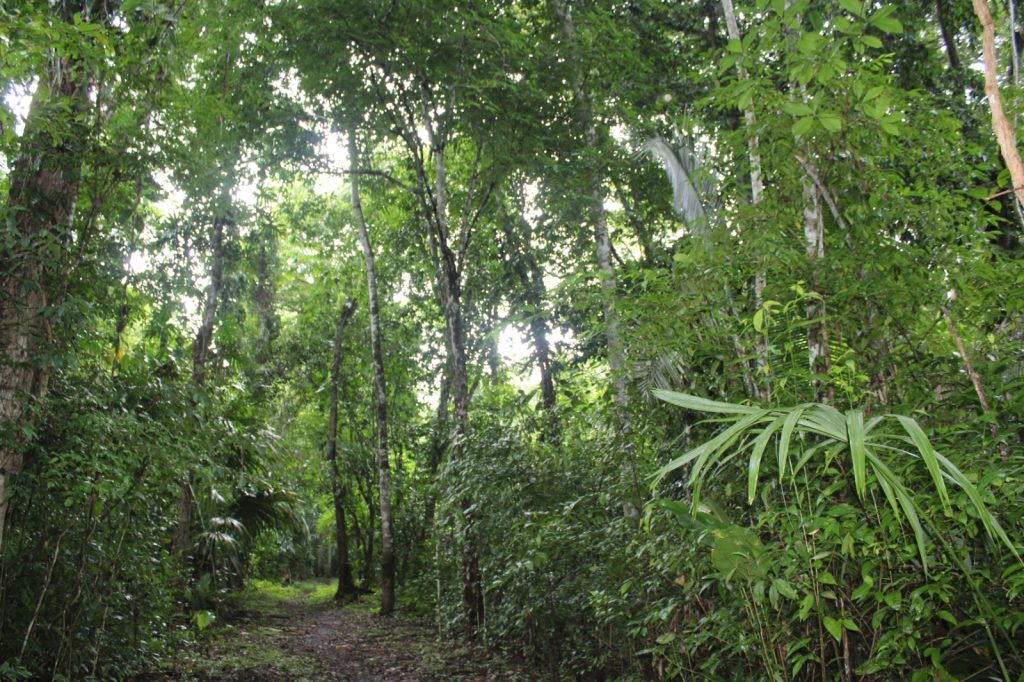
Scolel'te, means in the Mayan-Tseltal language, "The tree that grows", being the longest running program in the Voluntary Carbon Market at an international level. It has provided socio-environmental services to peasant and indigenous communities, through carbon capture with agroforestry and forestry systems, known as green carbon. Since its inception in 1997, it has sold carbon certificates in the international and national markets, offering CO2 mitigation.
It is a program coordinated and implemented by AMBIO. It is developed in collaboration with owners of forests or jungles, which are in conditions of high economic, social and climatic vulnerability.
Es punto de referencia para la implementación de proyectos de carbono a nivel mundial, contribuyendo al diseño y desarrollo de las bases para el sistema de Monitoreo, Reporte y Verificación (MRV), participación y salvaguardas del Estándar Plan Vivo.
Scolel'te provides certainty and guarantee to buyers of carbon certificates, by having the experience of more than two decades of work and the permanence in the Voluntary Carbon Market. It is a pioneer at the national and international level in carbon capture, as a strategy for mitigation and adaptation to climate change.
El objetivo general de Scolel’te es contribuir a mitigar los impactos generados por el cambio climático y abonar al bienestar socioambiental de las familias rurales, mediante el fortalecimiento de sus capacidades locales, promoviendo el uso de sistemas forestales, agroforestales y agroecológicos, bajo un enfoque de sostenibilidad.
It has proven to be a flexible, adaptable, viable, diverse, transparent, resilient, and functional program.
Who takes part?
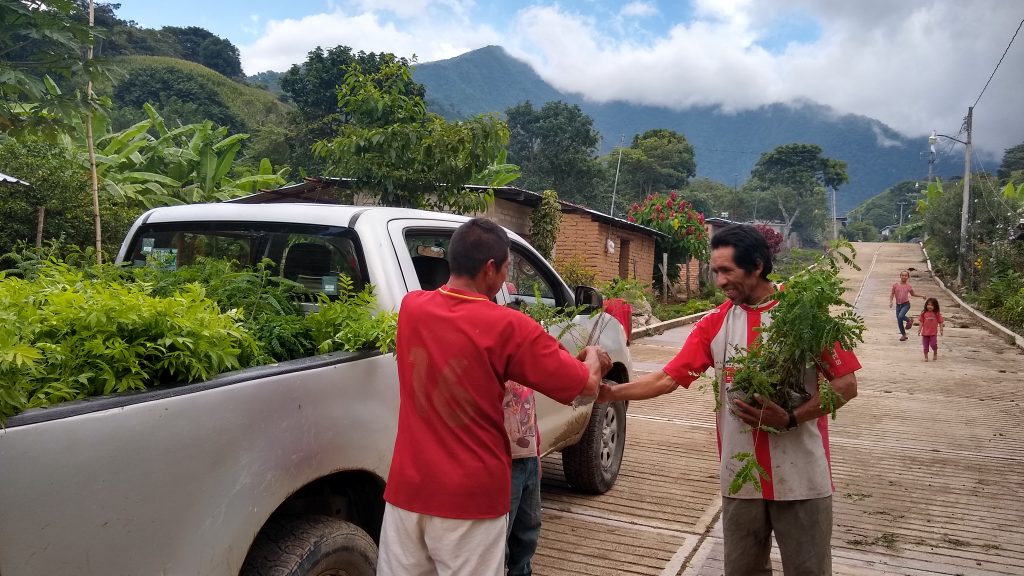
Scolel'te promotes activities that contribute to the sustainable management of the territory with an integral and participatory perspective, fostering community participation and the improvement of their local livelihoods. It responds to the interests and needs of the participants, according to their own socio-environmental contexts.
How is it implemented?
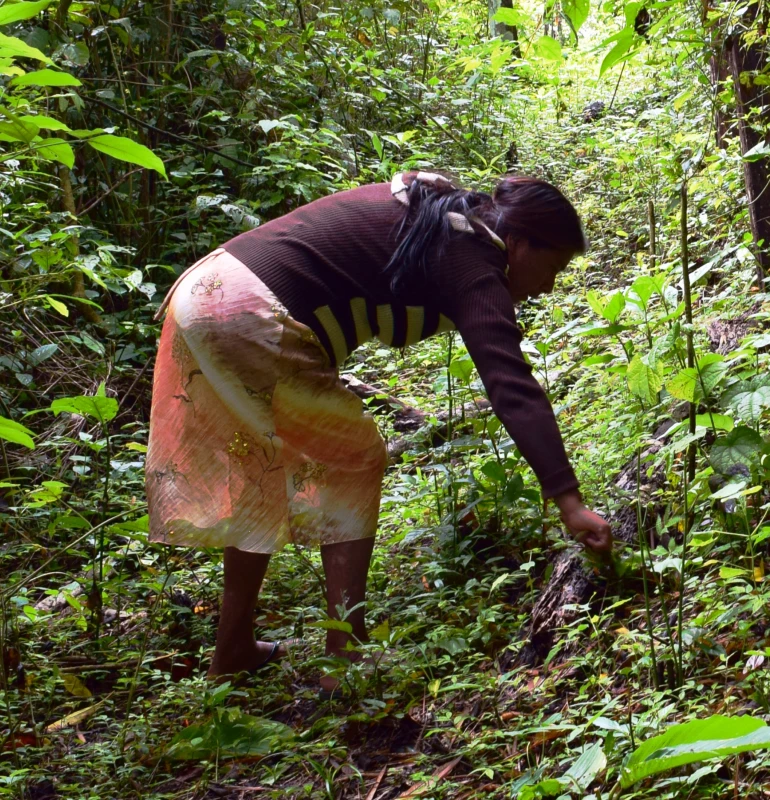
The Scolel'te Program collaborates directly with the smallholders at the individual or community level, who implement practices and activities that allow them to adapt to climate change.
It focuses on supporting communities to reduce and stop deforestation processes. The Program is implemented in fragmented or degraded territories, places where restoration, conservation, best productive practices and good management interventions are urgent.
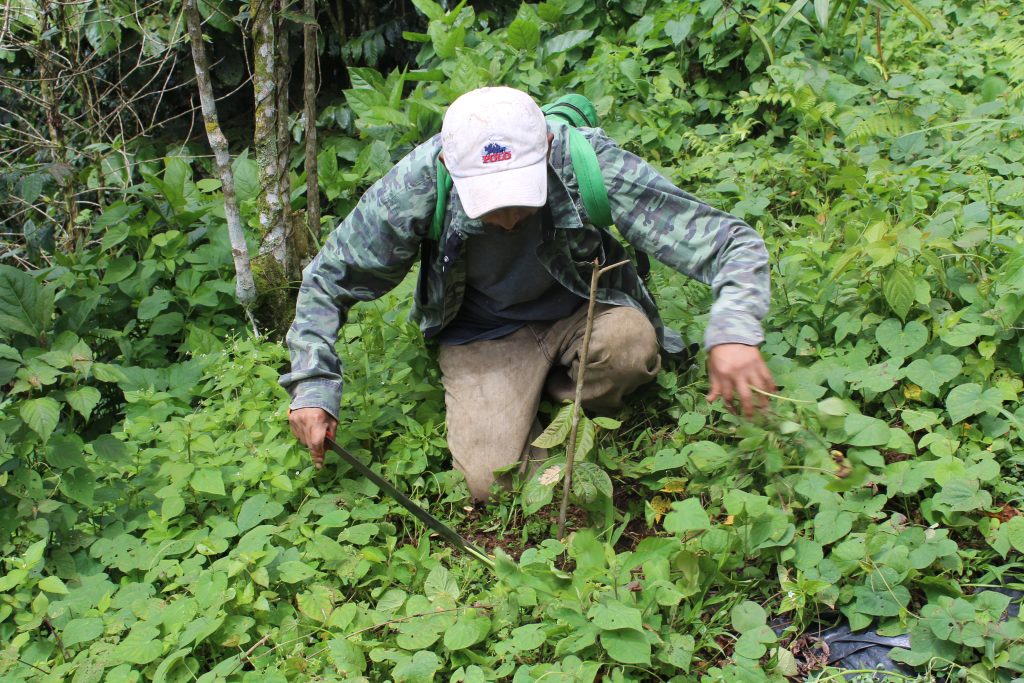
This is done with the support of the territorial planning tool "Plan Vivo", at the individual and community level, in Scolel'te. These allow to define and identify the productive activities to be developed, with the use of local tree species, in alternation with crops. The selection of tree species that are used in the forestry and agroforestry designs of the participants is carried out as part of a participatory process.
Scolel'te has an inclusive approach. Women, men, youth, and the elderly share their empirical and traditional knowledge, which is combined with technical-scientific advances in disciplines such as forestry and agroforestry.
The establishment, maintenance and use of trees is based on the economic benefits generated by the Voluntary Carbon Market, through which individuals, companies and organizations offset their carbon footprint with the program on a voluntary basis.
Scolel'te stands out for its permanence in the market, for its functionality and the operation of local forest initiatives, as well as for the development of viable strategies to mitigate climate change from a comprehensive and participatory approach.
| Fecha de Inicio | 1997 |
| Standar | Plan Vivo Standard |
| Activities | Reforestación, Aforestación, Agroforestería y Manejo Mejorado de la Tierra. |
| Number of Families Benefited | 1459 |
| Área de Trabajo (HA) | 10,080.55 |
| PVC's Generados para Mitigar CO2 | 793,361 |
| Awards and honours | Forest Merit Award (2013) |
| Número de Árboles Plantados con Sistemas Agroforestales | 1,460,474 |
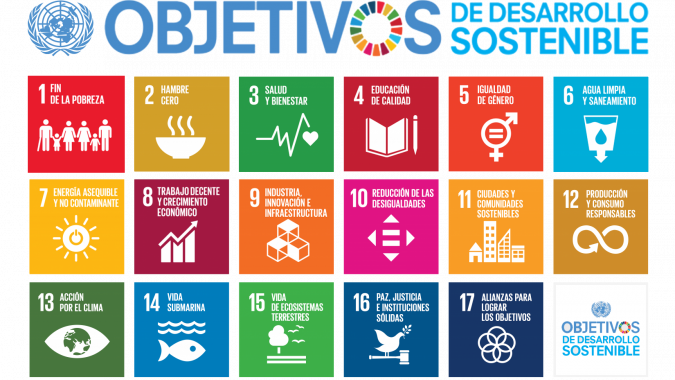
Scolel’te y su contribución a los Objetivos de Desarrollo Sustentable.
El programa Scolel’te mediante sus estrategias, contribuye a los Objetivos de Desarrollo Sustentable (ODS) establecidos por la Asamblea General de las Naciones Unidas.
Plan Vivo Standard
The Plan Vivo Standard seeks equitable participation, so it is necessary that registered projects capture carbon from the atmosphere and that the benefits can be claimed by projects as Plan Vivo Certificates, which sell these certificates to help finance their operations and attract new participants. 60% of the income from the sale of Plan Vivo Certificates goes to direct payment to participating communities and smallholders.